
Advertisement
Research ArticleCell biologyInfectious disease
Open Access |  10.1172/JCI185390
TNF superfamily member 14 drives post-influenza depletion of alveolar macrophages, enabling secondary pneumococcal pneumonia
Christina Malainou,1,2,3 Christin Peteranderl,1 Maximiliano Ruben Ferrero,2,3,4,5 Ana Ivonne Vazquez-Armendariz,1,6 Ioannis Alexopoulos,1,2,3 Katharina Franz,1,2,3 Klara Knippenberg,1,2,3 Julian Better,1,2,3,7 Mohammad Estiri,1,2,3 Cheng-Yu Wu,3,7 Hendrik Schultheis,3,5 Judith Bushe,8 Maria-Luisa del Rio,9 Jose Ignacio Rodriguez-Barbosa,9 Klaus Pfeffer,10 Stefan Günther,3,5 Mario Looso,3,5 Achim Dieter Gruber,8 István Vadász,2,3,7 Ulrich Matt,1,2,3 and Susanne Herold1,2,3
1Department of Medicine V, Internal Medicine, Infectious Diseases and Infection Control, Universities of Giessen and Marburg Lung Center (UGMLC), member of the German Center for Lung Research (DZL), member of the German Center for Infection Research (DZIF), Justus Liebig University Giessen, Giessen, Germany.
2Institute of Lung Health (ILH), Justus Liebig University Giessen, Giessen, Germany.
3Excellence Cluster Cardio-Pulmonary Institute (CPI), Hessen, Germany.
4Biomedicine Research Institute of Buenos Aires – CONICET – Partner Institute of the Max Planck Society (IBioBA-MPSP), Buenos Aires, Argentina.
5Max Planck Institute for Heart and Lung Research, Bad Nauheim, Germany.
6University of Bonn, Transdisciplinary Research Area Life and Health, Organoid Biology, Life and Medical Sciences Institute, Bonn, Germany.
7Department of Internal Medicine II, Universities of Giessen and Marburg Lung Center, University Hospital Giessen, Justus Liebig University, Member of the German Center for Lung Research (DZL), Giessen, Germany.
8Department of Veterinary Pathology, Free University Berlin, Berlin, Germany.
9Transplantation Immunobiology Section, Institute of Molecular Biology, Genomics and Proteomics (INBIOMIC), University of León, León, Spain.
10Institute of Medical Microbiology and Hospital Hygiene, Heinrich Heine University Düsseldorf, Düsseldorf, Germany.
Address correspondence to: Susanne Herold, Department of Medicine V, Internal Medicine, Infectious Diseases and Infection Control, University Hospital Giessen and Marburg, Justus-Liebig-University, Klinikstrasse 33, D-35392 Giessen, Germany. Phone: 49.0.641.985.57061; Email: Susanne.Herold@innere.med.uni-giessen.de.
Find articles by Malainou, C. in: PubMed | Google Scholar
1Department of Medicine V, Internal Medicine, Infectious Diseases and Infection Control, Universities of Giessen and Marburg Lung Center (UGMLC), member of the German Center for Lung Research (DZL), member of the German Center for Infection Research (DZIF), Justus Liebig University Giessen, Giessen, Germany.
2Institute of Lung Health (ILH), Justus Liebig University Giessen, Giessen, Germany.
3Excellence Cluster Cardio-Pulmonary Institute (CPI), Hessen, Germany.
4Biomedicine Research Institute of Buenos Aires – CONICET – Partner Institute of the Max Planck Society (IBioBA-MPSP), Buenos Aires, Argentina.
5Max Planck Institute for Heart and Lung Research, Bad Nauheim, Germany.
6University of Bonn, Transdisciplinary Research Area Life and Health, Organoid Biology, Life and Medical Sciences Institute, Bonn, Germany.
7Department of Internal Medicine II, Universities of Giessen and Marburg Lung Center, University Hospital Giessen, Justus Liebig University, Member of the German Center for Lung Research (DZL), Giessen, Germany.
8Department of Veterinary Pathology, Free University Berlin, Berlin, Germany.
9Transplantation Immunobiology Section, Institute of Molecular Biology, Genomics and Proteomics (INBIOMIC), University of León, León, Spain.
10Institute of Medical Microbiology and Hospital Hygiene, Heinrich Heine University Düsseldorf, Düsseldorf, Germany.
Address correspondence to: Susanne Herold, Department of Medicine V, Internal Medicine, Infectious Diseases and Infection Control, University Hospital Giessen and Marburg, Justus-Liebig-University, Klinikstrasse 33, D-35392 Giessen, Germany. Phone: 49.0.641.985.57061; Email: Susanne.Herold@innere.med.uni-giessen.de.
Find articles by Peteranderl, C. in: PubMed | Google Scholar
1Department of Medicine V, Internal Medicine, Infectious Diseases and Infection Control, Universities of Giessen and Marburg Lung Center (UGMLC), member of the German Center for Lung Research (DZL), member of the German Center for Infection Research (DZIF), Justus Liebig University Giessen, Giessen, Germany.
2Institute of Lung Health (ILH), Justus Liebig University Giessen, Giessen, Germany.
3Excellence Cluster Cardio-Pulmonary Institute (CPI), Hessen, Germany.
4Biomedicine Research Institute of Buenos Aires – CONICET – Partner Institute of the Max Planck Society (IBioBA-MPSP), Buenos Aires, Argentina.
5Max Planck Institute for Heart and Lung Research, Bad Nauheim, Germany.
6University of Bonn, Transdisciplinary Research Area Life and Health, Organoid Biology, Life and Medical Sciences Institute, Bonn, Germany.
7Department of Internal Medicine II, Universities of Giessen and Marburg Lung Center, University Hospital Giessen, Justus Liebig University, Member of the German Center for Lung Research (DZL), Giessen, Germany.
8Department of Veterinary Pathology, Free University Berlin, Berlin, Germany.
9Transplantation Immunobiology Section, Institute of Molecular Biology, Genomics and Proteomics (INBIOMIC), University of León, León, Spain.
10Institute of Medical Microbiology and Hospital Hygiene, Heinrich Heine University Düsseldorf, Düsseldorf, Germany.
Address correspondence to: Susanne Herold, Department of Medicine V, Internal Medicine, Infectious Diseases and Infection Control, University Hospital Giessen and Marburg, Justus-Liebig-University, Klinikstrasse 33, D-35392 Giessen, Germany. Phone: 49.0.641.985.57061; Email: Susanne.Herold@innere.med.uni-giessen.de.
Find articles by Ferrero, M. in: PubMed | Google Scholar
1Department of Medicine V, Internal Medicine, Infectious Diseases and Infection Control, Universities of Giessen and Marburg Lung Center (UGMLC), member of the German Center for Lung Research (DZL), member of the German Center for Infection Research (DZIF), Justus Liebig University Giessen, Giessen, Germany.
2Institute of Lung Health (ILH), Justus Liebig University Giessen, Giessen, Germany.
3Excellence Cluster Cardio-Pulmonary Institute (CPI), Hessen, Germany.
4Biomedicine Research Institute of Buenos Aires – CONICET – Partner Institute of the Max Planck Society (IBioBA-MPSP), Buenos Aires, Argentina.
5Max Planck Institute for Heart and Lung Research, Bad Nauheim, Germany.
6University of Bonn, Transdisciplinary Research Area Life and Health, Organoid Biology, Life and Medical Sciences Institute, Bonn, Germany.
7Department of Internal Medicine II, Universities of Giessen and Marburg Lung Center, University Hospital Giessen, Justus Liebig University, Member of the German Center for Lung Research (DZL), Giessen, Germany.
8Department of Veterinary Pathology, Free University Berlin, Berlin, Germany.
9Transplantation Immunobiology Section, Institute of Molecular Biology, Genomics and Proteomics (INBIOMIC), University of León, León, Spain.
10Institute of Medical Microbiology and Hospital Hygiene, Heinrich Heine University Düsseldorf, Düsseldorf, Germany.
Address correspondence to: Susanne Herold, Department of Medicine V, Internal Medicine, Infectious Diseases and Infection Control, University Hospital Giessen and Marburg, Justus-Liebig-University, Klinikstrasse 33, D-35392 Giessen, Germany. Phone: 49.0.641.985.57061; Email: Susanne.Herold@innere.med.uni-giessen.de.
Find articles by Vazquez-Armendariz, A. in: PubMed | Google Scholar
1Department of Medicine V, Internal Medicine, Infectious Diseases and Infection Control, Universities of Giessen and Marburg Lung Center (UGMLC), member of the German Center for Lung Research (DZL), member of the German Center for Infection Research (DZIF), Justus Liebig University Giessen, Giessen, Germany.
2Institute of Lung Health (ILH), Justus Liebig University Giessen, Giessen, Germany.
3Excellence Cluster Cardio-Pulmonary Institute (CPI), Hessen, Germany.
4Biomedicine Research Institute of Buenos Aires – CONICET – Partner Institute of the Max Planck Society (IBioBA-MPSP), Buenos Aires, Argentina.
5Max Planck Institute for Heart and Lung Research, Bad Nauheim, Germany.
6University of Bonn, Transdisciplinary Research Area Life and Health, Organoid Biology, Life and Medical Sciences Institute, Bonn, Germany.
7Department of Internal Medicine II, Universities of Giessen and Marburg Lung Center, University Hospital Giessen, Justus Liebig University, Member of the German Center for Lung Research (DZL), Giessen, Germany.
8Department of Veterinary Pathology, Free University Berlin, Berlin, Germany.
9Transplantation Immunobiology Section, Institute of Molecular Biology, Genomics and Proteomics (INBIOMIC), University of León, León, Spain.
10Institute of Medical Microbiology and Hospital Hygiene, Heinrich Heine University Düsseldorf, Düsseldorf, Germany.
Address correspondence to: Susanne Herold, Department of Medicine V, Internal Medicine, Infectious Diseases and Infection Control, University Hospital Giessen and Marburg, Justus-Liebig-University, Klinikstrasse 33, D-35392 Giessen, Germany. Phone: 49.0.641.985.57061; Email: Susanne.Herold@innere.med.uni-giessen.de.
Find articles by Alexopoulos, I. in: PubMed | Google Scholar
1Department of Medicine V, Internal Medicine, Infectious Diseases and Infection Control, Universities of Giessen and Marburg Lung Center (UGMLC), member of the German Center for Lung Research (DZL), member of the German Center for Infection Research (DZIF), Justus Liebig University Giessen, Giessen, Germany.
2Institute of Lung Health (ILH), Justus Liebig University Giessen, Giessen, Germany.
3Excellence Cluster Cardio-Pulmonary Institute (CPI), Hessen, Germany.
4Biomedicine Research Institute of Buenos Aires – CONICET – Partner Institute of the Max Planck Society (IBioBA-MPSP), Buenos Aires, Argentina.
5Max Planck Institute for Heart and Lung Research, Bad Nauheim, Germany.
6University of Bonn, Transdisciplinary Research Area Life and Health, Organoid Biology, Life and Medical Sciences Institute, Bonn, Germany.
7Department of Internal Medicine II, Universities of Giessen and Marburg Lung Center, University Hospital Giessen, Justus Liebig University, Member of the German Center for Lung Research (DZL), Giessen, Germany.
8Department of Veterinary Pathology, Free University Berlin, Berlin, Germany.
9Transplantation Immunobiology Section, Institute of Molecular Biology, Genomics and Proteomics (INBIOMIC), University of León, León, Spain.
10Institute of Medical Microbiology and Hospital Hygiene, Heinrich Heine University Düsseldorf, Düsseldorf, Germany.
Address correspondence to: Susanne Herold, Department of Medicine V, Internal Medicine, Infectious Diseases and Infection Control, University Hospital Giessen and Marburg, Justus-Liebig-University, Klinikstrasse 33, D-35392 Giessen, Germany. Phone: 49.0.641.985.57061; Email: Susanne.Herold@innere.med.uni-giessen.de.
Find articles by Franz, K. in: PubMed | Google Scholar
1Department of Medicine V, Internal Medicine, Infectious Diseases and Infection Control, Universities of Giessen and Marburg Lung Center (UGMLC), member of the German Center for Lung Research (DZL), member of the German Center for Infection Research (DZIF), Justus Liebig University Giessen, Giessen, Germany.
2Institute of Lung Health (ILH), Justus Liebig University Giessen, Giessen, Germany.
3Excellence Cluster Cardio-Pulmonary Institute (CPI), Hessen, Germany.
4Biomedicine Research Institute of Buenos Aires – CONICET – Partner Institute of the Max Planck Society (IBioBA-MPSP), Buenos Aires, Argentina.
5Max Planck Institute for Heart and Lung Research, Bad Nauheim, Germany.
6University of Bonn, Transdisciplinary Research Area Life and Health, Organoid Biology, Life and Medical Sciences Institute, Bonn, Germany.
7Department of Internal Medicine II, Universities of Giessen and Marburg Lung Center, University Hospital Giessen, Justus Liebig University, Member of the German Center for Lung Research (DZL), Giessen, Germany.
8Department of Veterinary Pathology, Free University Berlin, Berlin, Germany.
9Transplantation Immunobiology Section, Institute of Molecular Biology, Genomics and Proteomics (INBIOMIC), University of León, León, Spain.
10Institute of Medical Microbiology and Hospital Hygiene, Heinrich Heine University Düsseldorf, Düsseldorf, Germany.
Address correspondence to: Susanne Herold, Department of Medicine V, Internal Medicine, Infectious Diseases and Infection Control, University Hospital Giessen and Marburg, Justus-Liebig-University, Klinikstrasse 33, D-35392 Giessen, Germany. Phone: 49.0.641.985.57061; Email: Susanne.Herold@innere.med.uni-giessen.de.
Find articles by Knippenberg, K. in: PubMed | Google Scholar
1Department of Medicine V, Internal Medicine, Infectious Diseases and Infection Control, Universities of Giessen and Marburg Lung Center (UGMLC), member of the German Center for Lung Research (DZL), member of the German Center for Infection Research (DZIF), Justus Liebig University Giessen, Giessen, Germany.
2Institute of Lung Health (ILH), Justus Liebig University Giessen, Giessen, Germany.
3Excellence Cluster Cardio-Pulmonary Institute (CPI), Hessen, Germany.
4Biomedicine Research Institute of Buenos Aires – CONICET – Partner Institute of the Max Planck Society (IBioBA-MPSP), Buenos Aires, Argentina.
5Max Planck Institute for Heart and Lung Research, Bad Nauheim, Germany.
6University of Bonn, Transdisciplinary Research Area Life and Health, Organoid Biology, Life and Medical Sciences Institute, Bonn, Germany.
7Department of Internal Medicine II, Universities of Giessen and Marburg Lung Center, University Hospital Giessen, Justus Liebig University, Member of the German Center for Lung Research (DZL), Giessen, Germany.
8Department of Veterinary Pathology, Free University Berlin, Berlin, Germany.
9Transplantation Immunobiology Section, Institute of Molecular Biology, Genomics and Proteomics (INBIOMIC), University of León, León, Spain.
10Institute of Medical Microbiology and Hospital Hygiene, Heinrich Heine University Düsseldorf, Düsseldorf, Germany.
Address correspondence to: Susanne Herold, Department of Medicine V, Internal Medicine, Infectious Diseases and Infection Control, University Hospital Giessen and Marburg, Justus-Liebig-University, Klinikstrasse 33, D-35392 Giessen, Germany. Phone: 49.0.641.985.57061; Email: Susanne.Herold@innere.med.uni-giessen.de.
Find articles by Better, J. in: PubMed | Google Scholar
1Department of Medicine V, Internal Medicine, Infectious Diseases and Infection Control, Universities of Giessen and Marburg Lung Center (UGMLC), member of the German Center for Lung Research (DZL), member of the German Center for Infection Research (DZIF), Justus Liebig University Giessen, Giessen, Germany.
2Institute of Lung Health (ILH), Justus Liebig University Giessen, Giessen, Germany.
3Excellence Cluster Cardio-Pulmonary Institute (CPI), Hessen, Germany.
4Biomedicine Research Institute of Buenos Aires – CONICET – Partner Institute of the Max Planck Society (IBioBA-MPSP), Buenos Aires, Argentina.
5Max Planck Institute for Heart and Lung Research, Bad Nauheim, Germany.
6University of Bonn, Transdisciplinary Research Area Life and Health, Organoid Biology, Life and Medical Sciences Institute, Bonn, Germany.
7Department of Internal Medicine II, Universities of Giessen and Marburg Lung Center, University Hospital Giessen, Justus Liebig University, Member of the German Center for Lung Research (DZL), Giessen, Germany.
8Department of Veterinary Pathology, Free University Berlin, Berlin, Germany.
9Transplantation Immunobiology Section, Institute of Molecular Biology, Genomics and Proteomics (INBIOMIC), University of León, León, Spain.
10Institute of Medical Microbiology and Hospital Hygiene, Heinrich Heine University Düsseldorf, Düsseldorf, Germany.
Address correspondence to: Susanne Herold, Department of Medicine V, Internal Medicine, Infectious Diseases and Infection Control, University Hospital Giessen and Marburg, Justus-Liebig-University, Klinikstrasse 33, D-35392 Giessen, Germany. Phone: 49.0.641.985.57061; Email: Susanne.Herold@innere.med.uni-giessen.de.
Find articles by Estiri, M. in: PubMed | Google Scholar
1Department of Medicine V, Internal Medicine, Infectious Diseases and Infection Control, Universities of Giessen and Marburg Lung Center (UGMLC), member of the German Center for Lung Research (DZL), member of the German Center for Infection Research (DZIF), Justus Liebig University Giessen, Giessen, Germany.
2Institute of Lung Health (ILH), Justus Liebig University Giessen, Giessen, Germany.
3Excellence Cluster Cardio-Pulmonary Institute (CPI), Hessen, Germany.
4Biomedicine Research Institute of Buenos Aires – CONICET – Partner Institute of the Max Planck Society (IBioBA-MPSP), Buenos Aires, Argentina.
5Max Planck Institute for Heart and Lung Research, Bad Nauheim, Germany.
6University of Bonn, Transdisciplinary Research Area Life and Health, Organoid Biology, Life and Medical Sciences Institute, Bonn, Germany.
7Department of Internal Medicine II, Universities of Giessen and Marburg Lung Center, University Hospital Giessen, Justus Liebig University, Member of the German Center for Lung Research (DZL), Giessen, Germany.
8Department of Veterinary Pathology, Free University Berlin, Berlin, Germany.
9Transplantation Immunobiology Section, Institute of Molecular Biology, Genomics and Proteomics (INBIOMIC), University of León, León, Spain.
10Institute of Medical Microbiology and Hospital Hygiene, Heinrich Heine University Düsseldorf, Düsseldorf, Germany.
Address correspondence to: Susanne Herold, Department of Medicine V, Internal Medicine, Infectious Diseases and Infection Control, University Hospital Giessen and Marburg, Justus-Liebig-University, Klinikstrasse 33, D-35392 Giessen, Germany. Phone: 49.0.641.985.57061; Email: Susanne.Herold@innere.med.uni-giessen.de.
Find articles by
Wu, C.
in:
PubMed
|
Google Scholar
|

1Department of Medicine V, Internal Medicine, Infectious Diseases and Infection Control, Universities of Giessen and Marburg Lung Center (UGMLC), member of the German Center for Lung Research (DZL), member of the German Center for Infection Research (DZIF), Justus Liebig University Giessen, Giessen, Germany.
2Institute of Lung Health (ILH), Justus Liebig University Giessen, Giessen, Germany.
3Excellence Cluster Cardio-Pulmonary Institute (CPI), Hessen, Germany.
4Biomedicine Research Institute of Buenos Aires – CONICET – Partner Institute of the Max Planck Society (IBioBA-MPSP), Buenos Aires, Argentina.
5Max Planck Institute for Heart and Lung Research, Bad Nauheim, Germany.
6University of Bonn, Transdisciplinary Research Area Life and Health, Organoid Biology, Life and Medical Sciences Institute, Bonn, Germany.
7Department of Internal Medicine II, Universities of Giessen and Marburg Lung Center, University Hospital Giessen, Justus Liebig University, Member of the German Center for Lung Research (DZL), Giessen, Germany.
8Department of Veterinary Pathology, Free University Berlin, Berlin, Germany.
9Transplantation Immunobiology Section, Institute of Molecular Biology, Genomics and Proteomics (INBIOMIC), University of León, León, Spain.
10Institute of Medical Microbiology and Hospital Hygiene, Heinrich Heine University Düsseldorf, Düsseldorf, Germany.
Address correspondence to: Susanne Herold, Department of Medicine V, Internal Medicine, Infectious Diseases and Infection Control, University Hospital Giessen and Marburg, Justus-Liebig-University, Klinikstrasse 33, D-35392 Giessen, Germany. Phone: 49.0.641.985.57061; Email: Susanne.Herold@innere.med.uni-giessen.de.
Find articles by Schultheis, H. in: PubMed | Google Scholar
1Department of Medicine V, Internal Medicine, Infectious Diseases and Infection Control, Universities of Giessen and Marburg Lung Center (UGMLC), member of the German Center for Lung Research (DZL), member of the German Center for Infection Research (DZIF), Justus Liebig University Giessen, Giessen, Germany.
2Institute of Lung Health (ILH), Justus Liebig University Giessen, Giessen, Germany.
3Excellence Cluster Cardio-Pulmonary Institute (CPI), Hessen, Germany.
4Biomedicine Research Institute of Buenos Aires – CONICET – Partner Institute of the Max Planck Society (IBioBA-MPSP), Buenos Aires, Argentina.
5Max Planck Institute for Heart and Lung Research, Bad Nauheim, Germany.
6University of Bonn, Transdisciplinary Research Area Life and Health, Organoid Biology, Life and Medical Sciences Institute, Bonn, Germany.
7Department of Internal Medicine II, Universities of Giessen and Marburg Lung Center, University Hospital Giessen, Justus Liebig University, Member of the German Center for Lung Research (DZL), Giessen, Germany.
8Department of Veterinary Pathology, Free University Berlin, Berlin, Germany.
9Transplantation Immunobiology Section, Institute of Molecular Biology, Genomics and Proteomics (INBIOMIC), University of León, León, Spain.
10Institute of Medical Microbiology and Hospital Hygiene, Heinrich Heine University Düsseldorf, Düsseldorf, Germany.
Address correspondence to: Susanne Herold, Department of Medicine V, Internal Medicine, Infectious Diseases and Infection Control, University Hospital Giessen and Marburg, Justus-Liebig-University, Klinikstrasse 33, D-35392 Giessen, Germany. Phone: 49.0.641.985.57061; Email: Susanne.Herold@innere.med.uni-giessen.de.
Find articles by Bushe, J. in: PubMed | Google Scholar
1Department of Medicine V, Internal Medicine, Infectious Diseases and Infection Control, Universities of Giessen and Marburg Lung Center (UGMLC), member of the German Center for Lung Research (DZL), member of the German Center for Infection Research (DZIF), Justus Liebig University Giessen, Giessen, Germany.
2Institute of Lung Health (ILH), Justus Liebig University Giessen, Giessen, Germany.
3Excellence Cluster Cardio-Pulmonary Institute (CPI), Hessen, Germany.
4Biomedicine Research Institute of Buenos Aires – CONICET – Partner Institute of the Max Planck Society (IBioBA-MPSP), Buenos Aires, Argentina.
5Max Planck Institute for Heart and Lung Research, Bad Nauheim, Germany.
6University of Bonn, Transdisciplinary Research Area Life and Health, Organoid Biology, Life and Medical Sciences Institute, Bonn, Germany.
7Department of Internal Medicine II, Universities of Giessen and Marburg Lung Center, University Hospital Giessen, Justus Liebig University, Member of the German Center for Lung Research (DZL), Giessen, Germany.
8Department of Veterinary Pathology, Free University Berlin, Berlin, Germany.
9Transplantation Immunobiology Section, Institute of Molecular Biology, Genomics and Proteomics (INBIOMIC), University of León, León, Spain.
10Institute of Medical Microbiology and Hospital Hygiene, Heinrich Heine University Düsseldorf, Düsseldorf, Germany.
Address correspondence to: Susanne Herold, Department of Medicine V, Internal Medicine, Infectious Diseases and Infection Control, University Hospital Giessen and Marburg, Justus-Liebig-University, Klinikstrasse 33, D-35392 Giessen, Germany. Phone: 49.0.641.985.57061; Email: Susanne.Herold@innere.med.uni-giessen.de.
Find articles by
del Rio, M.
in:
PubMed
|
Google Scholar
|
1Department of Medicine V, Internal Medicine, Infectious Diseases and Infection Control, Universities of Giessen and Marburg Lung Center (UGMLC), member of the German Center for Lung Research (DZL), member of the German Center for Infection Research (DZIF), Justus Liebig University Giessen, Giessen, Germany.
2Institute of Lung Health (ILH), Justus Liebig University Giessen, Giessen, Germany.
3Excellence Cluster Cardio-Pulmonary Institute (CPI), Hessen, Germany.
4Biomedicine Research Institute of Buenos Aires – CONICET – Partner Institute of the Max Planck Society (IBioBA-MPSP), Buenos Aires, Argentina.
5Max Planck Institute for Heart and Lung Research, Bad Nauheim, Germany.
6University of Bonn, Transdisciplinary Research Area Life and Health, Organoid Biology, Life and Medical Sciences Institute, Bonn, Germany.
7Department of Internal Medicine II, Universities of Giessen and Marburg Lung Center, University Hospital Giessen, Justus Liebig University, Member of the German Center for Lung Research (DZL), Giessen, Germany.
8Department of Veterinary Pathology, Free University Berlin, Berlin, Germany.
9Transplantation Immunobiology Section, Institute of Molecular Biology, Genomics and Proteomics (INBIOMIC), University of León, León, Spain.
10Institute of Medical Microbiology and Hospital Hygiene, Heinrich Heine University Düsseldorf, Düsseldorf, Germany.
Address correspondence to: Susanne Herold, Department of Medicine V, Internal Medicine, Infectious Diseases and Infection Control, University Hospital Giessen and Marburg, Justus-Liebig-University, Klinikstrasse 33, D-35392 Giessen, Germany. Phone: 49.0.641.985.57061; Email: Susanne.Herold@innere.med.uni-giessen.de.
Find articles by
Rodriguez-Barbosa, J.
in:
PubMed
|
Google Scholar
|
1Department of Medicine V, Internal Medicine, Infectious Diseases and Infection Control, Universities of Giessen and Marburg Lung Center (UGMLC), member of the German Center for Lung Research (DZL), member of the German Center for Infection Research (DZIF), Justus Liebig University Giessen, Giessen, Germany.
2Institute of Lung Health (ILH), Justus Liebig University Giessen, Giessen, Germany.
3Excellence Cluster Cardio-Pulmonary Institute (CPI), Hessen, Germany.
4Biomedicine Research Institute of Buenos Aires – CONICET – Partner Institute of the Max Planck Society (IBioBA-MPSP), Buenos Aires, Argentina.
5Max Planck Institute for Heart and Lung Research, Bad Nauheim, Germany.
6University of Bonn, Transdisciplinary Research Area Life and Health, Organoid Biology, Life and Medical Sciences Institute, Bonn, Germany.
7Department of Internal Medicine II, Universities of Giessen and Marburg Lung Center, University Hospital Giessen, Justus Liebig University, Member of the German Center for Lung Research (DZL), Giessen, Germany.
8Department of Veterinary Pathology, Free University Berlin, Berlin, Germany.
9Transplantation Immunobiology Section, Institute of Molecular Biology, Genomics and Proteomics (INBIOMIC), University of León, León, Spain.
10Institute of Medical Microbiology and Hospital Hygiene, Heinrich Heine University Düsseldorf, Düsseldorf, Germany.
Address correspondence to: Susanne Herold, Department of Medicine V, Internal Medicine, Infectious Diseases and Infection Control, University Hospital Giessen and Marburg, Justus-Liebig-University, Klinikstrasse 33, D-35392 Giessen, Germany. Phone: 49.0.641.985.57061; Email: Susanne.Herold@innere.med.uni-giessen.de.
Find articles by Pfeffer, K. in: PubMed | Google Scholar
1Department of Medicine V, Internal Medicine, Infectious Diseases and Infection Control, Universities of Giessen and Marburg Lung Center (UGMLC), member of the German Center for Lung Research (DZL), member of the German Center for Infection Research (DZIF), Justus Liebig University Giessen, Giessen, Germany.
2Institute of Lung Health (ILH), Justus Liebig University Giessen, Giessen, Germany.
3Excellence Cluster Cardio-Pulmonary Institute (CPI), Hessen, Germany.
4Biomedicine Research Institute of Buenos Aires – CONICET – Partner Institute of the Max Planck Society (IBioBA-MPSP), Buenos Aires, Argentina.
5Max Planck Institute for Heart and Lung Research, Bad Nauheim, Germany.
6University of Bonn, Transdisciplinary Research Area Life and Health, Organoid Biology, Life and Medical Sciences Institute, Bonn, Germany.
7Department of Internal Medicine II, Universities of Giessen and Marburg Lung Center, University Hospital Giessen, Justus Liebig University, Member of the German Center for Lung Research (DZL), Giessen, Germany.
8Department of Veterinary Pathology, Free University Berlin, Berlin, Germany.
9Transplantation Immunobiology Section, Institute of Molecular Biology, Genomics and Proteomics (INBIOMIC), University of León, León, Spain.
10Institute of Medical Microbiology and Hospital Hygiene, Heinrich Heine University Düsseldorf, Düsseldorf, Germany.
Address correspondence to: Susanne Herold, Department of Medicine V, Internal Medicine, Infectious Diseases and Infection Control, University Hospital Giessen and Marburg, Justus-Liebig-University, Klinikstrasse 33, D-35392 Giessen, Germany. Phone: 49.0.641.985.57061; Email: Susanne.Herold@innere.med.uni-giessen.de.
Find articles by
Günther, S.
in:
PubMed
|
Google Scholar
|
1Department of Medicine V, Internal Medicine, Infectious Diseases and Infection Control, Universities of Giessen and Marburg Lung Center (UGMLC), member of the German Center for Lung Research (DZL), member of the German Center for Infection Research (DZIF), Justus Liebig University Giessen, Giessen, Germany.
2Institute of Lung Health (ILH), Justus Liebig University Giessen, Giessen, Germany.
3Excellence Cluster Cardio-Pulmonary Institute (CPI), Hessen, Germany.
4Biomedicine Research Institute of Buenos Aires – CONICET – Partner Institute of the Max Planck Society (IBioBA-MPSP), Buenos Aires, Argentina.
5Max Planck Institute for Heart and Lung Research, Bad Nauheim, Germany.
6University of Bonn, Transdisciplinary Research Area Life and Health, Organoid Biology, Life and Medical Sciences Institute, Bonn, Germany.
7Department of Internal Medicine II, Universities of Giessen and Marburg Lung Center, University Hospital Giessen, Justus Liebig University, Member of the German Center for Lung Research (DZL), Giessen, Germany.
8Department of Veterinary Pathology, Free University Berlin, Berlin, Germany.
9Transplantation Immunobiology Section, Institute of Molecular Biology, Genomics and Proteomics (INBIOMIC), University of León, León, Spain.
10Institute of Medical Microbiology and Hospital Hygiene, Heinrich Heine University Düsseldorf, Düsseldorf, Germany.
Address correspondence to: Susanne Herold, Department of Medicine V, Internal Medicine, Infectious Diseases and Infection Control, University Hospital Giessen and Marburg, Justus-Liebig-University, Klinikstrasse 33, D-35392 Giessen, Germany. Phone: 49.0.641.985.57061; Email: Susanne.Herold@innere.med.uni-giessen.de.
Find articles by Looso, M. in: PubMed | Google Scholar
1Department of Medicine V, Internal Medicine, Infectious Diseases and Infection Control, Universities of Giessen and Marburg Lung Center (UGMLC), member of the German Center for Lung Research (DZL), member of the German Center for Infection Research (DZIF), Justus Liebig University Giessen, Giessen, Germany.
2Institute of Lung Health (ILH), Justus Liebig University Giessen, Giessen, Germany.
3Excellence Cluster Cardio-Pulmonary Institute (CPI), Hessen, Germany.
4Biomedicine Research Institute of Buenos Aires – CONICET – Partner Institute of the Max Planck Society (IBioBA-MPSP), Buenos Aires, Argentina.
5Max Planck Institute for Heart and Lung Research, Bad Nauheim, Germany.
6University of Bonn, Transdisciplinary Research Area Life and Health, Organoid Biology, Life and Medical Sciences Institute, Bonn, Germany.
7Department of Internal Medicine II, Universities of Giessen and Marburg Lung Center, University Hospital Giessen, Justus Liebig University, Member of the German Center for Lung Research (DZL), Giessen, Germany.
8Department of Veterinary Pathology, Free University Berlin, Berlin, Germany.
9Transplantation Immunobiology Section, Institute of Molecular Biology, Genomics and Proteomics (INBIOMIC), University of León, León, Spain.
10Institute of Medical Microbiology and Hospital Hygiene, Heinrich Heine University Düsseldorf, Düsseldorf, Germany.
Address correspondence to: Susanne Herold, Department of Medicine V, Internal Medicine, Infectious Diseases and Infection Control, University Hospital Giessen and Marburg, Justus-Liebig-University, Klinikstrasse 33, D-35392 Giessen, Germany. Phone: 49.0.641.985.57061; Email: Susanne.Herold@innere.med.uni-giessen.de.
Find articles by Gruber, A. in: PubMed | Google Scholar
1Department of Medicine V, Internal Medicine, Infectious Diseases and Infection Control, Universities of Giessen and Marburg Lung Center (UGMLC), member of the German Center for Lung Research (DZL), member of the German Center for Infection Research (DZIF), Justus Liebig University Giessen, Giessen, Germany.
2Institute of Lung Health (ILH), Justus Liebig University Giessen, Giessen, Germany.
3Excellence Cluster Cardio-Pulmonary Institute (CPI), Hessen, Germany.
4Biomedicine Research Institute of Buenos Aires – CONICET – Partner Institute of the Max Planck Society (IBioBA-MPSP), Buenos Aires, Argentina.
5Max Planck Institute for Heart and Lung Research, Bad Nauheim, Germany.
6University of Bonn, Transdisciplinary Research Area Life and Health, Organoid Biology, Life and Medical Sciences Institute, Bonn, Germany.
7Department of Internal Medicine II, Universities of Giessen and Marburg Lung Center, University Hospital Giessen, Justus Liebig University, Member of the German Center for Lung Research (DZL), Giessen, Germany.
8Department of Veterinary Pathology, Free University Berlin, Berlin, Germany.
9Transplantation Immunobiology Section, Institute of Molecular Biology, Genomics and Proteomics (INBIOMIC), University of León, León, Spain.
10Institute of Medical Microbiology and Hospital Hygiene, Heinrich Heine University Düsseldorf, Düsseldorf, Germany.
Address correspondence to: Susanne Herold, Department of Medicine V, Internal Medicine, Infectious Diseases and Infection Control, University Hospital Giessen and Marburg, Justus-Liebig-University, Klinikstrasse 33, D-35392 Giessen, Germany. Phone: 49.0.641.985.57061; Email: Susanne.Herold@innere.med.uni-giessen.de.
Find articles by
Vadász, I.
in:
PubMed
|
Google Scholar
|
1Department of Medicine V, Internal Medicine, Infectious Diseases and Infection Control, Universities of Giessen and Marburg Lung Center (UGMLC), member of the German Center for Lung Research (DZL), member of the German Center for Infection Research (DZIF), Justus Liebig University Giessen, Giessen, Germany.
2Institute of Lung Health (ILH), Justus Liebig University Giessen, Giessen, Germany.
3Excellence Cluster Cardio-Pulmonary Institute (CPI), Hessen, Germany.
4Biomedicine Research Institute of Buenos Aires – CONICET – Partner Institute of the Max Planck Society (IBioBA-MPSP), Buenos Aires, Argentina.
5Max Planck Institute for Heart and Lung Research, Bad Nauheim, Germany.
6University of Bonn, Transdisciplinary Research Area Life and Health, Organoid Biology, Life and Medical Sciences Institute, Bonn, Germany.
7Department of Internal Medicine II, Universities of Giessen and Marburg Lung Center, University Hospital Giessen, Justus Liebig University, Member of the German Center for Lung Research (DZL), Giessen, Germany.
8Department of Veterinary Pathology, Free University Berlin, Berlin, Germany.
9Transplantation Immunobiology Section, Institute of Molecular Biology, Genomics and Proteomics (INBIOMIC), University of León, León, Spain.
10Institute of Medical Microbiology and Hospital Hygiene, Heinrich Heine University Düsseldorf, Düsseldorf, Germany.
Address correspondence to: Susanne Herold, Department of Medicine V, Internal Medicine, Infectious Diseases and Infection Control, University Hospital Giessen and Marburg, Justus-Liebig-University, Klinikstrasse 33, D-35392 Giessen, Germany. Phone: 49.0.641.985.57061; Email: Susanne.Herold@innere.med.uni-giessen.de.
Find articles by Matt, U. in: PubMed | Google Scholar
1Department of Medicine V, Internal Medicine, Infectious Diseases and Infection Control, Universities of Giessen and Marburg Lung Center (UGMLC), member of the German Center for Lung Research (DZL), member of the German Center for Infection Research (DZIF), Justus Liebig University Giessen, Giessen, Germany.
2Institute of Lung Health (ILH), Justus Liebig University Giessen, Giessen, Germany.
3Excellence Cluster Cardio-Pulmonary Institute (CPI), Hessen, Germany.
4Biomedicine Research Institute of Buenos Aires – CONICET – Partner Institute of the Max Planck Society (IBioBA-MPSP), Buenos Aires, Argentina.
5Max Planck Institute for Heart and Lung Research, Bad Nauheim, Germany.
6University of Bonn, Transdisciplinary Research Area Life and Health, Organoid Biology, Life and Medical Sciences Institute, Bonn, Germany.
7Department of Internal Medicine II, Universities of Giessen and Marburg Lung Center, University Hospital Giessen, Justus Liebig University, Member of the German Center for Lung Research (DZL), Giessen, Germany.
8Department of Veterinary Pathology, Free University Berlin, Berlin, Germany.
9Transplantation Immunobiology Section, Institute of Molecular Biology, Genomics and Proteomics (INBIOMIC), University of León, León, Spain.
10Institute of Medical Microbiology and Hospital Hygiene, Heinrich Heine University Düsseldorf, Düsseldorf, Germany.
Address correspondence to: Susanne Herold, Department of Medicine V, Internal Medicine, Infectious Diseases and Infection Control, University Hospital Giessen and Marburg, Justus-Liebig-University, Klinikstrasse 33, D-35392 Giessen, Germany. Phone: 49.0.641.985.57061; Email: Susanne.Herold@innere.med.uni-giessen.de.
Find articles by
Herold, S.
in:
PubMed
|
Google Scholar
|
Published November 18, 2025 - More info
J Clin Invest. 2026;136(2):e185390. https://doi.org/10.1172/JCI185390.
© 2025 Malainou et al. This work is licensed under the Creative Commons Attribution 4.0 International License. To view a copy of this license, visit http://creativecommons.org/licenses/by/4.0/.
Received: July 29, 2024; Accepted: October 31, 2025

Related article:
Abstract
Alveolar macrophages (AMs) help defend the lungs against infection, but during pneumonia many alveolar macrophages die. In this issue of the JCI, Malainou et al. explored the mechanism underpinning AM death during viral pneumonia and its effect on the outcomes of bacterial superinfection, a secondary infection that occurs before the first infection is cleared. In mouse models of influenza A infection, recruited neutrophils secreted TNF superfamily member 14 (TNFSF14), and AMs increased expression of the TNFSF14 receptors TNFSFR14 and type I transmembrane lymphotoxin β receptor (LTβR). TNFSF14 signaling via the LTβR was sufficient to cause AM apoptosis. TNFSF14 deficiency or blockade preserved AMs during influenza infection and diminished bacterial burdens and mouse mortality during pneumococcal superinfection. The adoptive transfer of AMs decreased the severity of pneumococcal superinfections, if those AMs lacked the LTβR. Thus, preserving AMs by interrupting TNFRSF14-LTβR interactions can make virus-infected lungs less susceptible to severe bacterial superinfection.
Authors
Elise M.R. Armstrong, Joseph P. Mizgerd
-
Results
Severe IAV infection increases susceptibility to secondary pneumococcal infection. To elucidate the pathomechanisms behind TR-AM death after severe IAV infection and its effect on the establishment of secondary bacterial pneumonia, we established a robust coinfection model (Figure 1A). Disease severity after viral, bacterial, or coinfection was shown to vary in a pathogen- and infection dose–dependent manner. Orotracheal (o.t.) infection of C57BL/6 WT mice with 500 foci-forming units (FFU) IAV A/PR/8/34 decreased mouse survival by 50% 14 days after infection, whereas intranasal (i.n.) infection with 2,000 CFU S. pneumoniae serotype 3 (PN36 NCTC7978) did not affect survival (Figure 1B) or weight loss (Figure 1C). However, IAV infection 7 days prior to pneumococcal infection caused massive leukocyte infiltration (Figure 1, D–G) and a 100% lethal outcome (Figure 1B). Upon use of lower IAV and S. pneumoniae doses (250 FFU/20 CFU on day 7 after IAV infection), the average survival percentage was 37.5% (Figure 1B). Despite the low infection doses, bacterial load in the bronchoalveolar lavage fluid (BALF) of previously IAV-infected mice was remarkably high 48 hours after pneumococcal infection, whereas PBS-pretreated mice completely cleared the infection (Figure 1H), suggesting an IAV-associated impaired immune response against invading S. pneumoniae. We therefore characterized the leukocyte landscape of the IAV-infected lung, as distinct immune cell populations and their interactions can differentially affect post-influenza bacterial clearance (3, 18, 19). Flow cytometric profiling of BALF leukocytes (gating strategy depicted in Supplemental Figure 1A; supplemental material available online with this article; https://doi.org/10.1172/JCI185390DS1) revealed cell-specific kinetics over the infection course (Figure 1I). Of note, BALF TR-AM numbers, which started significantly declining on post-infection (p.i.) day 3, were almost completely depleted between p.i. days 7–11 (Figure 1J). We also observed similar results for lung-tissue leukocytes (gating strategy shown in Supplemental Figure 1B), which could not be acquired through BAL because of their sessile nature (Supplemental Figure 2A) (20) or extra-alveolar location (Supplemental Figure 2, B–M). Upon coinfection, BALF bacterial outgrowth was observed 24 hours after pneumococcal infection (Figure 1K), coinciding with the period of maximum TR-AM depletion, despite the abundant presence of bone marrow–derived macrophages (BMDMs). TR-AMs presented a greater S. pneumoniae phagocytosis capacity (Figure 1L) and no inferiority in killing capacity to the infection-driven proinflammatory BMDMs (Figure 1M), highlighting the importance of TR-AM preservation for maintaining the intact host defense. To address this, we sought to identify the molecular underpinnings of post-influenza TR-AM death.
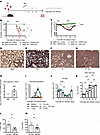 Figure 1
IAV infection increases susceptibility to secondary pneumococcal infection. (A) Schematic representation of the coinfection model, with pneumococcal infection taking place 7 days after IAV infection. Figure created with BioRender.com. (B and C) Survival (B) and weight loss (C) after coinfection of WT mice with IAV and S. pneumoniae (n = 6–8 mice; data were pooled from 5 independent experiments). (D–G) Representative histological images of mock-infected mice (D), S. pneumoniae–infected mice (E), IAV-infected mice (F), or mice infected with IAV 7 days prior to S. pneumoniae infection (G). Lungs were harvested 10 days after IAV infection. Scale bars: 100 μm. Data were pooled from 2 independent experiments. (H) Bacterial load in the BALF of IAV- or mock-infected mice 9 days after IAV infection and 48 hours after S. pneumoniae infection (mean ± SEM, n = 6–9; data are representative of 3 independent experiments). (I) Leukocyte populations including neutrophils (n = 7–9), BMDMs (n = 8–9), NK cells (n = 7–9), T cells (n = 3–9), NK1.1+ NKT cells (n = 3–9), and B cells (n = 5–9) in the BALF of IAV-infected mice 0–14 days p.i. (mean ± SEM; data were pooled from 16 independent experiments). (J) TR-AM population during the IAV infection course (mean ± SEM, n = 3–10; data were pooled from 6 independent experiments). (K) BALF bacterial load 6–72 hours after pneumococcal superinfection performed 7 days after IAV infection (mean ± SEM, n = 3–9 per time point; data were pooled from 3 independent experiments). (L and M) S. pneumoniae phagocytosis capacity (L) depicted as the percentage of S. pneumoniae+ cells 10 minutes (t0) after infection and killing capacity (M) (percent killing at t1 over t0) for day 8 TR-AMs and BMDMs (n = 5; data are representative of 3 independent experiments). *P < 0.05, **P < 0.01, and ****P < 0.0001, by log-rank (Mantel-Cox) test (B), unpaired, 2-tailed Student’s t test (L and M), and 1-way ANOVA with Tukey’s post hoc test (J and K). Spn, S. pneumoniae.
Post-influenza TR-AM death involves the activation of caspase 8. Direct viral infection can lead to epithelial cell apoptosis in IAV-induced pneumonia (21, 22), raising the question of whether this also drives post-IAV TR-AM depletion. Flow cytometric analysis revealed only a small number of IAV-infected TR-AMs (quantified by viral HA expression) with no significant increase over the course of the infection (Figure 2A). The majority of HA– cells had been depleted by day 7 p.i. (Figure 2A), implying the involvement of a different mechanism with a much stronger effect. In accordance with that, when naive TR-AMs were treated ex vivo with virus- and cell-free BALF from IAV-infected mice (iBALF) from day 7 p.i. (day of maximum depletion), we observed a significant decrease in TR-AM survival (Figure 2B) as well as an increase in caspase 3/-7 (Figure 2C) and caspase 8 activity (Figure 2D). Transcriptome analysis of flow-sorted HA– TR-AMs on days 3 and 7 p.i. based on a cell death gene array revealed an upregulation of multiple apoptosis-related genes, such as Bax, Cd40lg, and Cflar, and necrosis-related genes, including Bmf, Commd4, Defb1, and Parp1 (Figure 2E and Supplemental Data 2, cell death arrays WT data). The fold changes of upregulated genes did not differ significantly from baseline, as cell death is mainly regulated on a (post)translational level (23). Concomitant flow cytometric analysis, however, revealed a remarkable increase in apoptotic TR-AMs over the infection course (Figure 2F and gating strategy in Supplemental Figure 3A). As a result, we posed the question of whether apoptosis inhibition would improve TR-AM survival. Following preincubation with a nontoxic concentration (Supplemental Figure 3, B and C) of 50 μM of a specific caspase 3 (Z-DEVD-FMK) or caspase 8 (Z-IETD-FMK) inhibitor, we treated naive TR-AMs with iBALF. Whereas caspase 3 inhibition only showed a negligibly protective effect, TR-AM death was completely abrogated in the caspase 8 inhibition group (Figure 2G). When mice were treated with daily s.c. injections of the caspase 8 inhibitor (see schematic of the experimental layout in Figure 2H), we observed an attenuated weight loss up to day 7 p.i. (Figure 2I). Caspase 8 inhibition fully protected the TR-AM pool on day 3 p.i. (Figure 2J), without affecting viral titers (Figure 2K), and significantly mitigated TR-AM loss on day 7 p.i. (Figure 2L). Caspase 8 is a known orchestrator of cell death that is typically activated upon the crosslinking of a soluble ligand to a death receptor (24), which, together with the primarily virus-independent TR-AM apoptosis, hinted at a soluble ligand as a driver of TR-AM death.
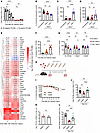 Figure 2
Caspase 8 is involved in virus-independent, post-influenza TR-AM death. (A) Quantification of viral HA– and HA+ TR-AMs after IAV infection (n = 3–7; data indicate the mean ± SEM and were pooled from 3 independent experiments). (B) TR-AM survival following 24 hours of treatment with iBALF (n = 9 per group; data represent the mean ± SEM and were pooled from 3 independent experiments). (C and D) Caspase 3/-7 (C) and caspase 8 activity (D) after iBALF TR-AM treatment (n = 7–8; data represent the mean ± SEM and were pooled from 3 independent experiments). (E) Heatmap depicting the average fold changes of cell death–related genes in flow-sorted, HA–, mock, day 3, and day 7 p.i. BALF TR-AMs (n = 3–7 per time point; data were pooled from 4 independent experiments). Significance was determined by 2-tailed Student’s t test for the log2 fold-change values of each gene in the compared groups. (F) Percentage of apoptotic TR-AMs on days 0, 3, and 7 p.i. (n = 7–12; data represent the mean ± SEM and were pooled from 4 independent experiments). (G) Colorimetric viability assay following naive TR-AM treatment with iBALF after 3 hours of pretreatment with 50 μM of a specific caspase inhibitor (n = 6; data represent the mean ± SEM and were pooled from 2 independent experiments). (H) Experimental layout for caspase 8 inhibition in vivo experiments. Figure created with BioRender.com. (I) Weight loss after IAV infection and caspase 8 inhibition (n = 8–11; data were pooled from 6 independent experiments). (J) BALF TR-AMs on day 3 after in vivo caspase 8 inhibition (n = 11–13; data represent the mean ± SEM and were pooled from 4 independent experiments). (K) BALF viral titers on day 3 after in vivo caspase 8 inhibition (n = 3–6; data represent the mean ± SEM and were pooled from 2 independent experiments). (L) BALF TR-AMs on day 7 after in vivo caspase 8 inhibition (n = 7–10; data represent the mean ± SEM and were pooled from 7 independent experiments). *P < 0.05, **P < 0.01, ***P < 0.001, and ****P < 0.0001, by 2-tailed Student’s t test (I [AUC for the compared groups] and K), 1-way ANOVA with Tukey’s post hoc test (B–D, F, J and L), and 2-way ANOVA with Tukey’s post hoc test (A and G).
IAV pneumonia sensitizes TR-AMs to TNFSF14 ligation. Death-inducing members of the TNFSF have been associated with promoting alveolar epithelial cell (AEC) death and driving post-IAV lung injury (18, 25, 26). As such, we hypothesized that a TNFSF member could be involved in post-IAV TR-AM death and analyzed gene expression patterns of receptors and ligands belonging to the TNFSF signaling network in flow-sorted HA– TR-AMs from mock-infected and infected mice on days 3 and 7 p.i. TNFRSF14, a receptor for TNFSF14, showed marked upregulation at both time points (Figure 3A and Supplemental Data 1, TNF signaling arrays WT data). TNFRSF14 demonstrated a significant increase in mRNA and cell-surface protein expression levels over the infection course and after ex vivo TR-AM stimulation with iBALF (Figure 3, B–D). LTβR, the competitive receptor for TNFSF14, presented no changes in transcriptional regulation, yet a distinct increase in protein expression (Figure 3, B, C, and E). On day 3 p.i., the majority of TR-AMs stained positive for TNFSF14 receptors (Supplemental Figure 4A). With regard to TNFSF ligand expression, we confirmed previous reports on IAV-induced upregulation of Tnfsf10 in lung macrophages (25, 26), whereas Tnfsf15 and Tnfsf14 were moderately increased (Figure 3F and Supplemental Data 1, TNF signaling arrays WT data). Overall, severe IAV infection was linked to a total TNFSF14 increase in the mouse lung, as shown by IHC (Figure 3G), quantitative PCR (qPCR) (Figure 3H), and ELISA (Figure 3I). In accordance with this finding, we observed a significant increase in soluble TNFSF14 in the BALF of patients with influenza or COVID-19 acute respiratory distress syndrome (ARDS) compared with control patients who underwent routine bronchoscopy for diagnostic purposes and had normal BALF cellularity (Figure 3J). On the basis of the distinct kinetics of the two TNFSF14 receptors, we aimed to dissect any differential roles in post-influenza TR-AM fate. Anti-LTβR TR-AM pretreatment significantly attenuated the increase in caspase 3/-7 activity after iBALF treatment, as opposed to that observed in the anti-TNFRSF14 and isotype control groups (Figure 3K). Similar results were observed when we treated naive WT, Tnfrsf14–/–, and Ltbr–/– TR-AMs with iBALF (Figure 3L), indicating a potential protective effect against soluble death-inducing ligands in the absence of LTβR. In accordance with this finding, IAV-infected Ltbr–/– mice showed a less dramatic drop in TR-AM numbers compared with WT and Tnfrsf14–/– mice (Figure 3M), as well as an overall attenuated weight loss on days 7 and 8 p.i. (Figure 3N). The distinct effects of the 2 receptors on TR-AM survival and the upregulation of the common TNFSF14 ligand in IAV-infected lungs led us to more closely examine TNFSF14.
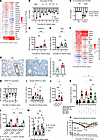 Figure 3
IAV infection leads to increased expression of the TNFSF14 ligand/receptor axis. (A) Fold change of TNFSF receptor genes in mock-infected, day 3–infected, and day 7–infected TR-AMs (n = 5–6; data were pooled from 3 experiments). (B) TR-AM Tnfrsf14 and Ltbr gene expression over the course of the IAV infection (n = 3–6; data were pooled from 2 experiments). (C) TR-AM Tnfrsf14 and Ltbr gene expression after ex vivo iBALF treatment (n = 5; data are representative of 3 experiments). (D and E) TR-AM TNFRSF14 (D) and LTβR (E) expression (n = 7–11; data were pooled from 6 experiments). (F) Fold change of TNFSF ligand genes in mock-infected, day 3–infected, and day 7–infected TR-AMs (n = 5–6, data were pooled from 3 independent experiments). (G) IHC analysis for TNFSF14 expression after mock (PBS) or IAV infection. Scale bar: 25 μm (n = 6–8; data were pooled from 2 experiments). (H) Tnfsf14 gene expression in the lungs of IAV-infected animals (n = 7–8; data were pooled from 3 experiments). (I) BALF TNFSF14 measured by ELISA (n = 4–15; data were pooled from 7 experiments). (J) Soluble TNFSF14 in the BALF of patients with severe viral pneumonia (n = 8–17 per group; data were pooled from 3 experiments). (K) Caspase 3/-7 activity after iBALF treatment of naive WT TR-AMs, following anti-LTβR or anti-TNFRSF14 blocking (n = 15–28; data were pooled from 6 experiments). (L) Caspase 3/-7 activity after iBALF treatment of naive WT, Tnfrsf14–/–, and Ltbr–/– TR-AMs (n = 6–9; data were pooled from 4 experiments). (M) TR-AM numbers for WT, Tnfrsf14–/–, and Ltbr–/– mice on days 0 and 7 p.i. (n = 5–13; data were pooled from 12 experiments, WT controls including values are depicted in Figure 1J). (N) Body weight of WT, Tnfsf14–/–, and Ltbr–/– mice over the course of IAV infection (n = 5 per group; data were pooled from 3 experiments and represent the mean ± SEM). *P < 0.05, **P < 0.01, ***P < 0.001, and ****P < 0.0001, by unpaired, 2-tailed Student’s t test (G), 1-way, with Tukey’s post hoc test (D, E, H, and K), 2-way ANOVA with Tukey’s post hoc test (B, C, L–N [comparison of weight loss among the 3 groups at each time point after infection]), and Kruskal-Wallis test followed by Dunn′s post hoc comparison test (I). For the heatmaps in A and F, a 2-tailed Student’s t test was performed for the log2 fold-change values of each gene in the compared groups.
TNFSF14 drives the depletion of the TR-AM pool in IAV-induced pneumonia. To test whether TNFSF14 only induced apoptosis in a subpopulation of TR-AMs, TNFSF14 receptor expression on the surface of TR-AMs was combined with apoptosis staining (annexin V/7-aminoactinomycin [7-AAD]) at different time points after infection. TNFSF14 receptor–expressing cells comprised approximately 80% of apoptotic TR-AMs on day 3 p.i. (Supplemental Figure 4B). When we compared TR-AM apoptosis induction based on TNFSF14 receptor expression, we found that TNFSF14 receptor–positive TR-AMs had significantly higher apoptosis rates on days 3 and 8 p.i. compared with LTβR–TNFRSF14– cells (Figure 4A). To test whether TNFSF14 could directly induce TR-AM death, we treated naive murine (Figure 4B) and human BALF TR-AMs (Figure 4C) with different concentrations of recombinant TNFSF14 (rTNFSF14) for 24 hours. Treatment with 500 ng/mL rTNFSF14 led to an average of 25%–35% decrease in TR-AM survival compared with the control PBS/BSA-treated group (Figure 4, B and C) and an increase in caspase 3/-7 activity, which was even more pronounced when the same experiment was performed with day 3 TR-AMs (Figure 4D). Unlike TR-AMs, epithelial cells, which presented a basolateral LTβR and a nonpreferential, cytoplasmic TNFRSF14 expression pattern (Supplemental Figure 4, D–G) and were also exposed to homotrimeric, active (27) TNFSF14 in the BALF (Supplemental Figure 4, H and I), did not succumb to TNFSF14-induced apoptosis (Supplemental Figure 4C), mirroring the diverse roles of TNFSF14 signaling, based on cell type and receptor availability.
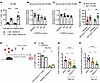 Figure 4
TNFSF14 treatment aggravates post-influenza TR-AM loss. (A) Percentage of apoptotic cells within LTβR–TNFRSF14– and LTβR+ and/or TNFRSF14+ TR-AM subgroups on days 3 and 8 p.i. (n = 8–10 per group; data represent the mean ± SEM and were pooled from 2 independent experiments). (B and C) Cell survival proportional to light absorbance after a 24-hour treatment of murine (B) and human (C) TR-AMs with different doses of rTNFSF14 and normalized to control samples (n = 5–7; data represent the mean ± SEM and were pooled from 7 and 4 independent experiments in B and C, respectively). (D) Caspase 3/-7 activity after 24 hours of TR-AM treatment with 500 ng/mL rTNFSF14 (n = 6–7; data represent the mean ± SEM and were pooled from 6 independent experiments). (E) Schematics of rTNFSF14 application to IAV-infected mice on days 1 and 2 p.i., with analysis performed on day 3 p.i. Figure created with BioRender.com. (F) Percentage of live (annexin V– 7-AAD–) and apoptotic (annexin V+7-AAD–) TR-AMs (n = 3) on day 3 after rTNFSF14 treatment, data are representative of 3 different experiments. (G and H) Total BALF (n = 6–11, G) and lung-tissue TR-AMs (n = 7–10, H) on day 3 following rTNFSF14 treatment compared with mock infection. Data represent the mean ± SEM and were pooled from 7 independent experiments. *P < 0.05, ***P < 0.001, and ****P < 0.0001, by 1-way ANOVA with Tukey’s post hoc test (B, C, G, and H) and 2-way ANOVA with Tukey’s post hoc test (A, D, and F).
Application of rTNFSF14 (o.t.) in IAV-infected mice (Figure 4E) led to a significant increase in the number of annexin V+ TR-AMs (Figure 4F) and further reduced the already diminished BALF and lavaged lung tissue TR-AM numbers on day 3 p.i. (Figure 4, G and H) compared with PBS-treated, IAV-infected controls. No differences could be detected in the numbers of other leukocyte populations, based on rTNFSF14 treatment (Supplemental Figure 5, A–E). Concomitantly, TR-AM loss was completely abrogated in the BALF and lavaged lung tissue of Tnfsf14–/– mice (Figure 5, A and B). This result could not be reproduced in Tnfsf10–/– mice (Supplemental Figure 5F), despite TNFSF10 being one of the proapoptotic ligands highly expressed in BALF after IAV infection (25, 26), suggesting a ligand-specific induction of TR-AM apoptosis. Flow-sorted Tnfsf14–/– TR-AMs showed lower induction of apoptosis, necrosis, and autophagy-related gene expression (Figure 5, C and D, and Supplemental Figure 5, G–J, Supplemental Data 3, cell death arrays Tnfsf14-KO data) on days 3 and 7 p.i. compared with WT mice. Unlike WT iBALF, caspase 3/-7 activity was not increased upon TR-AM treatment with Tnfsf14–/– iBALF (Figure 5E). No differences could be detected in viral titers on day 3 p.i. (peak of viral replication in this model [ref. 28], Supplemental Figure 5K) or in the amount of epithelial (EpcAM+), endothelial (CD31+), and mesenchymal cells (MCs) (Supplemental Figure 5, L–N). With the exception of neutrophils, which were found in higher numbers in Tnfsf14–/– mice on day 3 p.i. but not at later time points (Supplemental Figure 5O), we observed no differences for other BALF leukocyte populations (Supplemental Figure 5, P–S). These data suggested that TNFSF14-associated cell death was confined to the TR-AM compartment. Alongside this finding, absence of the ligand resulted in decreased weight loss, hinting at a beneficial effect of TNFSF14 blockade (Figure 5F). With the aim of applying a therapeutic approach, we used a neutralizing anti-TNFSF14 antibody (11) and observed higher BALF and lung tissue TR-AM numbers on day 7 p.i. (Figure 5, G and H), an attenuated weight loss in the anti-TNFSF14 group (Figure 5I), and confirmed lower caspase 3 activity in TR-AMs after ex vivo iBALF treatment (Figure 5J), highlighting TNFSF14 as the driver of post-influenza TR-AM death.
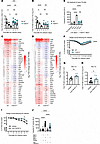 Figure 5
Post-influenza TR-AM loss can be prevented through directed targeting of the TNFSF14 ligand. (A and B) BALF TR-AMs (A) and sessile lung TR-AMs (B) from WT and Tnfsf14–/– mice after IAV infection (n = 8–12; data represent the mean ± SEM and were pooled from 17 different experiments; WT controls in B, including values, are depicted in Supplemental Figure 2A). (C and D) Heatmaps depicting the fold change of apoptosis-related genes on day 3 p.i. (C) and day 7 p.i. (D) over mock-infected WT and Tnfsf14–/– TR-AMs (n = 3–5; data were pooled from 5 different experiments; WT were data extracted from the dataset presented in Figure 2E). (E) Caspase 3/-7 activity after treatment of TR-AMs with WT or Tnfsf14–/– iBALF (n = 4 per condition; data represent the mean ± SEM and are representative of 3 independent experiments). (F) Body weight of WT and Tnfsf14–/– mice over the IAV infection course (n = 12–13; data represent the mean ± SEM of weight at each time point and were pooled from 6 independent experiments; WT controls including data are presented in Figure 3M). (G and H) BALF (G) and lung tissue (H) TR-AMs on day 7 after anti-TNFSF14 treatment on day 2 p.i. (n = 9–13; data represent the mean ± SEM and were pooled from 4 independent experiments). (I) Body weight of anti-TNFSF14 and isotype-treated WT mice after IAV infection ( n = 10–11; data represent the mean ± SEM of weight at each time point and were pooled from 4 independent experiments). (J) Caspase 3/-7 activity after 24 hours of iBALF treatment of anti-TNFSF14–pretreated naive TR-AMs (n = 16; data represent the mean ± SEM and were pooled from 6 independent experiments). *P < 0.05, **P < 0.01, ***P < 0.001, and ****P < 0.0001. Multiple unpaired, 2-tailed Student’s t tests for weight-loss comparisons at each time point after infection (G–I); 2-tailed Student’s t test for the log2 fold-change values of each gene in the compared groups (C and D); 1-way ANOVA with Tukey’s post hoc test (E and J), and 2-way ANOVA with Tukey’s post hoc test (A and B).
TNFSF14 is released by neutrophils during the acute IAV infection phase. To identify the cellular source of TNFSF14 during IAV pneumonia, we analyzed expression levels of the transmembrane form of TNFSF14 on leukocytes (CD45+ cells), epithelial cells, MCs, and endothelial cells in the lungs of mock- and IAV-infected mice on day 7 p.i. We found that TNFSF14 expression was significantly increased in epithelial cells and leukocytes (Figure 6A). This was in accordance with our IHC data, which revealed a prominent signal increase within the leukocyte-infiltrated interstitium and alveolar space on day 7 p.i. (Figure 6B). Soluble TNFSF14 was detected in the serum of infected mice as early as day 3 p.i., further suggesting that blood-derived immune cells contributed to the increase in TNFSF14 levels in the lungs (Figure 6C). Single-cell RNA-Seq (scRNA-Seq) analysis of pregated CD45+ cells from whole lung digests on days 3 and 7 p.i. revealed a total of 14 immune cell clusters on day 3 p.i., including TR-AMs, BMDMs, interstitial macrophages (IMs), B and T cells, conventional DCs (cDCs), plasmacytoid DCs (pDCs), monocyte-derived DCs (moDCs), NK cells, 3 monocyte clusters with different gene signatures (monocytes 1: Ccr2, Ly6a2, F13a1, Mgst1, Aldh2; monocytes 2: Tgfb1, Sirpb1c, Otulin1, Plcg2, Zfp710; and monocytes 3: Eno3, Cd300e, Agpat4, Rbpms, Slc12a2), and 2 neutrophil clusters (neutrophils 1: Ier5, Ier3, Smox, Gm8995, Ccrl2; and neutrophils 2: Picalm, Jund, Hmgb2, Map1lc3b, Slc2a3). Eleven clusters were identified on day 7 p.i., including TR-AMs, BMDMs, IMs, B cells, CD4+ and CD8+ T cells, proliferating T cells, pDCs, cDCs, NK cells, and neutrophils (Figure 6, D and E). At both time points, neutrophils were revealed to be the main leukocyte population expressing Tnfsf14, with a minor contribution from NK and T cells. Ltbr gene expression was higher than that of Tnfrsf14 in all monocyte/macrophage populations, including TR-AMs (Figure 6, D and E). qPCR analysis revealed upregulation of Tnfsf14 in neutrophils isolated from peripheral blood on day 2 p.i. (Figure 6F), which was recapitulated in BALF neutrophils of patients with IAV ARDS (Figure 6G). Flow cytometric analysis confirmed neutrophils as the main TNFSF14-expressing leukocyte population on day 3 p.i., with no ligand expression on bone marrow–derived neutrophils from noninfected mice (Figure 6H). Both soluble and transmembrane TNFSF14 were revealed to contribute to TR-AM apoptosis, as iBALF treatment of day 3 TR-AMs led to a significant increase in caspase 3/-7 activity, comparable to the increase induced by TR-AM coculture with day 3 neutrophils, even in the presence of a metalloproteinase inhibitor preventing TNFSF14 shedding (Supplemental Figure 6A) (29). We then tested whether neutrophil depletion via i.p. administration of an anti-Ly6G antibody (30) would improve post-influenza TR-AM survival. Following successful neutrophil depletion (Supplemental Figure 6, B–E), the mice had attenuated weight loss up to day 7 p.i. (Supplemental Figure 6F), which was in accordance with previously published data (31, 32). Neutrophil-depleted mice had lower TNFSF14 levels (Figure 6, I and J) compared with levels in the isotype-treated group, with higher BALF and lung-tissue TR-AM numbers on day 7 p.i. (Figure 6, K and L). We observed no significant differences in other BALF immune cells (Supplemental Figure 6, G–K), indicating the depletion specificity of the anti-Ly6G antibody.
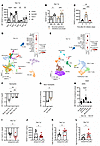 Figure 6
Neutrophils are the main cellular source of TNFSF14 during IAV infection. (A) TNFSF14 expression on leukocytes, epithelial cells, endothelial cells, and MCs in the lungs of noninfected and day 7–infected mice (n = 4–5, were data pooled from 2 independent experiments). (B) TNFSF14 expression in different lung regions of mock- and IAV-infected WT mice on day 7 p.i. (n = 3–4; data are representative of 2 independent experiments). (C) Serum TNFSF14 levels on days 0, 3, and 7 p.i. (n = 3–5; data were pooled from 3 independent experiments). (D and E) Leukocyte scRNA-Seq analysis on day 3 p.i. (D) and day 7 p.i. (E) (n = 4; data are from 2 independent experiments). Monocyte and neutrophil clusters on day 3 p.i. were characterized according to the gene signature of the top 5 uniquely expressed genes per cluster. Dot plots depict Tnfsf14, Ltbr, and Tnfrsf14 expression. (F) qPCR analysis of Tnfsf14 expression in blood and BALF neutrophils (n = 4; data were pooled from 2 independent experiments). (G) qPCR analysisof TNFSF14 expression in BALF neutrophils from patients with severe IAV-induced ARDS compared with non-IAV controls (n = 3–4). (H) TNFSF14 expression on BALF leukocytes on day 3 p.i. and bone marrow–derived neubrophils (BM Neutrophils) from noninfected mice (n = 3–10; data were pooled from 2 independent experiments). (I and J) qPCR analysis in lung tissue (n = 7–9, I) and BALF ELISA (n = 9–13, J) for TNFSF14 expression on day 7 after neutrophil depletion. Data were pooled from 4 and 5 independent experiments, respectively. (K and L) BALF (K) and lung (L) TR-AMs on day 7 after neutrophil depletion (n = 8; data represent the mean ± SEM and were pooled from 4 and 5 independent experiments, respectively). *P < 0.05, **P < 0.01, ***P < 0.001, and ****P < 0.0001, by unpaired, 2-tailed Student’s t test (G and L), 1-way ANOVA with Tukey’s post hoc test (C, F, and H), and 2-way ANOVA with Tukey’s post hoc test (A and B).
Outcome of post-influenza pneumococcal pneumonia is improved by targeting the TNFSF14 ligand/receptor axis. Having established that TR-AM loss was driven by the TNFSF14/LTβR axis in severe IAV infection, we tested whether TR-AM preservation would improve coinfection outcomes (Figure 1, A–C). Indeed, Tnfsf14–/– mice showed significantly improved survival and reduced weight loss (Figure 7, A and B), and reduced BALF pneumococcal burden on day 9 p.i. and 48 hours after S. pneumoniae infection (Figure 7, C and D), whereas no difference was seen for bacterial burden in the spleen (Supplemental Figure 7A). Despite a massive neutrophil influx in both groups (Supplemental Figure 7B), Tnfsf14–/– mice maintained TR-AM numbers (Figure 7E). No significant differences were observed in the phagocytic capacity or the percentage of phagocytic TR-AMs on day 7 p.i., the time point of pneumococcal infection (Supplemental Figure 7, C and D). Given the lack of difference in overall phagocytic capacity, we concluded that the improved bacterial clearance in Tnfsf14–/– mice was mainly attributed to the higher number of surviving TR-AMs. Treatment with the neutralizing anti-TNFSF14 antibody led to a similar improvement in survival and weight loss (Figure 7, F and G), supporting the hypothesis that post-influenza TR-AM maintenance is key to survive secondary pneumococcal infection. Finally, we performed orthotopic transfer of WT, Tnfrsf14–/–, or Ltbr–/– TR-AMs in coinfected mice (schematic in Figure 7H). Pneumococcal superinfection proved lethal in mice that received no cells or Tnfrsf14–/– TR-AMs, whereas transfer of Ltbr–/– TR-AMs rescued 75% of the mice (Figure 7I). Transfer of WT TR-AMs only slightly increased survival, indicating that transferred WT TR-AMs underwent TNFSF14-dependent apoptosis after transfer on day 3 p.i. Ltbr–/– TR-AMs additionally showed a superior phagocytic capacity for S. pneumoniae compared with WT TR-AMs when infected ex vivo (Figure 7J), which may have additionally contributed to the improved survival observed in the Ltbr–/– TR-AM recipient group. On the basis of these results, we conclude that targeting the TNFSF14 signaling axis could revert TR-AM death in the aftermath of severe IAV-induced lung injury and thus prevent the transition to secondary bacterial pneumonia (Figure 7K).
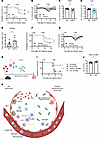 Figure 7
Severity of post-influenza pneumococcal pneumonia is attenuated in the absence of TNFSF14. (A and B) Survival (A) and weight loss (B) after IAV and S. pneumoniae coinfection of WT and Tnfsf14–/– mice (n = 17–18; data represent the mean ± SEM and were pooled from 5 different experiments). (C and D) Bacterial burden in the BALF (C) and lungs (D) of WT and Tnfsf14–/– mice 9 days after IAV infection and 48 hours after S. pneumoniae infection (n = 10; data represent the mean ± SEM and were pooled from 8 independent experiments). (E) Total BALF TR-AM numbers for WT and Tnfsf14–/– mice 9 days after IAV and 48 hours after S. pneumoniae infection (n = 7–8; data represent the mean ± SEM and were pooled from 5 different experiments). (F and G) Survival (F) and weight loss (G) following IAV and S. pneumoniae coinfection and TNFSF14 blocking on day 2 p.i. (n = 12–16; data represent the mean ± SEM and were pooled from 5 independent experiments). (H) Schematics of the experimental layout for IAV and S. pneumoniae coinfection with adoptive transfer of naive WT, Tnfrsf14–/–, or Ltbr–/– TR-AMs on day 3 p.i. (I) Survival of WT mice upon IAV and S. pneumoniae coinfection and TR-AM adoptive transfer (n = 4–12; data represent the mean ± SEM and were pooled from 5 independent experiments). (J) Bacterial load in lysed WT and Ltbr–/– naive TR-AMs after ex vivo S. pneumoniae infection (n = 12; data represent the mean ± SEM and were pooled from 4 independent experiments). *P < 0.05 and **P < 0.01, by log-rank (Mantel-Cox) test (A, F, and I); unpaired, 2-tailed Student’s t test (B and G). Multiple unpaired Student’s t tests were performed for weight-loss comparisons at each time point after infection (C, D, E, and J). (K) Proposed hypothesis: Severe IAV–induced pneumonia is characterized by massive leukocyte recruitment, including neutrophils. Once in the alveoli, neutrophils start releasing TNFSF14, which is sensed by TR-AMs through ligation to the surface-expressed receptors TNFRSF14 and LTβR, culminating in TR-AM death, which increases host susceptibility to post-influenza pneumococcal pneumonia. Panels H and K were created with BioRender.com.


Copyright © 2026 American Society for Clinical Investigation
ISSN: 0021-9738 (print), 1558-8238 (online)